
Colorado, private property
Dead Bird Removal
Most native wild birds are protected by the federal Migratory Bird Treaty Act. Since December 31, 2024, federal rules let anyone pick up a dead migratory bird to dispose of it, but nobody may keep it, its feathers or any part, and disposal has to happen within seven days.
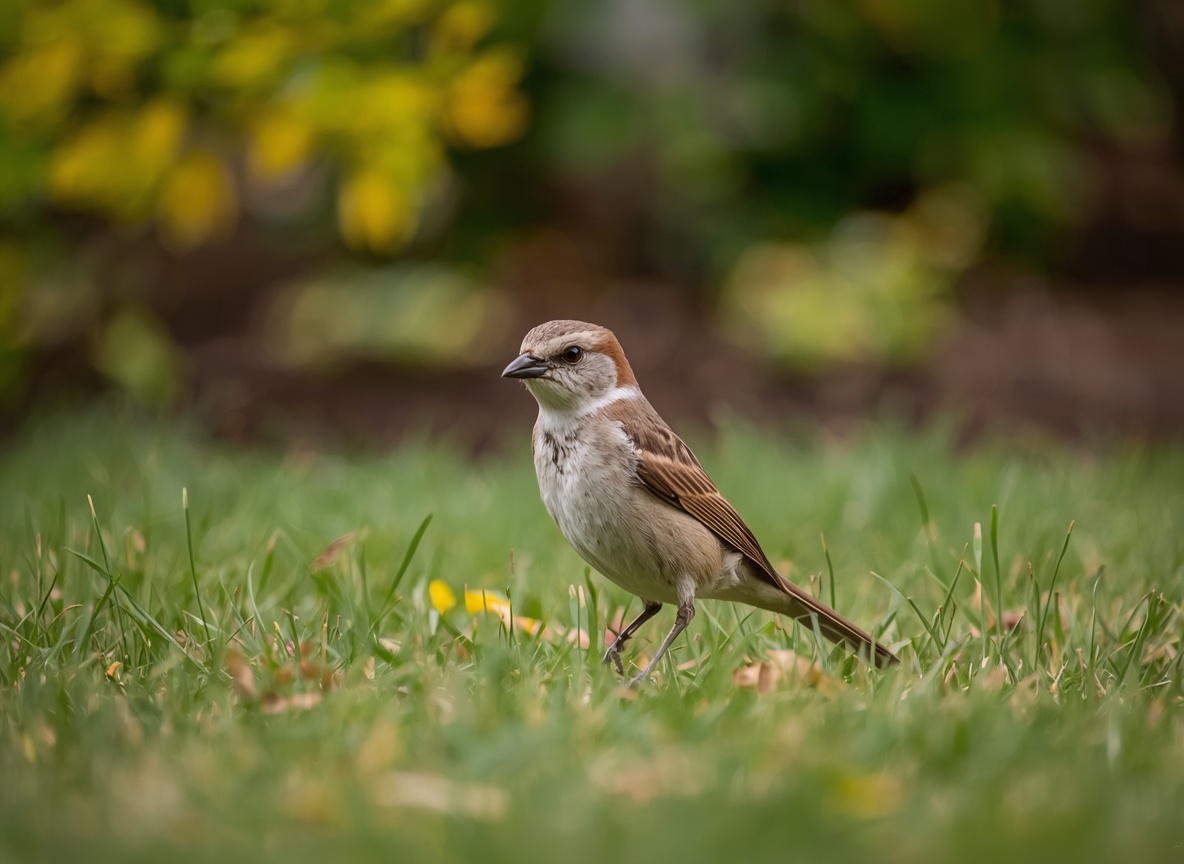
Before you pay anyone. Count the birds. Because of avian influenza, Colorado Parks and Wildlife asks to be contacted when three or more birds are found dead in the same area, and the federal rule requires contacting the U.S. Fish and Wildlife Service Office of Law Enforcement before picking up five or more. CPW's advice is never to handle sick or dead wild birds; if it must be done, wear gloves, protective clothing, eye protection and a fitted face mask, double-bag the bird, and contact CPW as soon as possible.
What this covers
- A single bird on a patio, a lawn or a window ledge
- A bird in a garage or an attic that can be reached
- Pigeons, starlings and sparrows around a building
Where the limit is
A bird inside a vent run or a wall that cannot be reached without cutting a finished surface. Several dead birds together, which go to the agencies first. A dead eagle, which goes to the National Eagle Repository through the Fish and Wildlife Service.
Operators work where an animal can be reached without cutting into a finished wall, ceiling or floor: open ground, a crawl space hatch, removable lattice or skirting, an attic access, a garage. They do not open drywall, plaster or other finished surfaces.
This page promises no arrival time. Calls route by ZIP where an operator covers the address, and whether anyone is available for yours, and what it would cost, is settled on the call.
How a call goes
- Say how many birds there are. One is a removal question; several are a report first.
- Say where it is and whether it can be reached.
- Where an operator covers the address, the visit and the price are agreed on the call.
Questions about this animal
Can I pick up a dead wild bird in Colorado?
Federal law allows it for disposal. Since December 31, 2024, federal rule 50 CFR 21.16 lets anyone pick up a dead migratory bird, but no one may keep the bird, its feathers or other parts, and it must be disposed of within seven days. The U.S. Fish and Wildlife Service says the trash counts where local rules allow. The federal rule adds that state permits may also be required, and Colorado's wildlife rules contain no matching salvage provision for native birds, so if in doubt, contact Colorado Parks and Wildlife.
Are pigeons and starlings protected?
No. Rock pigeons, European starlings and house sparrows are non-native and are not on the federal list of protected birds. Mourning doves, crows and magpies are protected.
When should I report dead birds instead of removing them?
Colorado Parks and Wildlife asks to hear about three or more birds found dead in the same area, because of avian influenza. With five or more, or if you suspect an illegal kill, the federal rule requires contacting the U.S. Fish and Wildlife Service Office of Law Enforcement before picking them up.
Not sure this is the right page? Who removes a dead animal in Colorado works through the public and private split, and the locations page sets out what the larger cities publish.