
Colorado, private property
Dead Skunk Removal
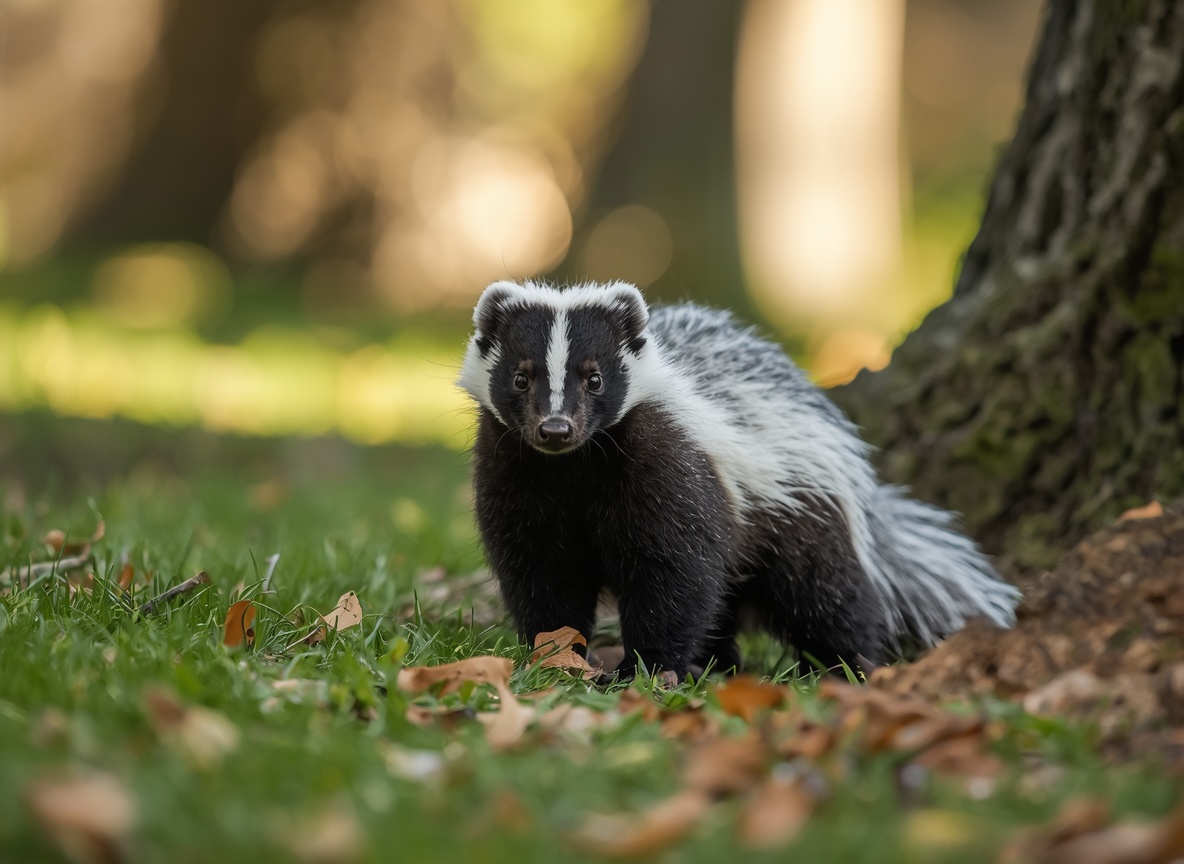
The striped skunk lives throughout Colorado, up to about 10,000 feet. Colorado's health department names bats and skunks as the main sources of rabies in the state, so a dead skunk is not something to pick up with bare hands.
Before you pay anyone. If a person or a pet touched the skunk, was bitten or was scratched, do not throw it away. Call your local health department, and your doctor or vet. Colorado's health department waives its rabies testing fee for a skunk when contact with a person, pet or livestock is suspected.
What this covers
- A skunk lying in a yard, a garden bed or beside a foundation
- A skunk under a deck, porch or shed where it can be reached
- A skunk in a window well or a garage
Where the limit is
A skunk on a public road, which belongs to the agency that maintains it. A skunk inside a sealed, finished wall or floor cavity: operators do not open finished surfaces. This page is also about dead skunks only. Live skunks are a different job, and CPW says state health laws do not permit relocating them.
Operators work where an animal can be reached without cutting into a finished wall, ceiling or floor: open ground, a crawl space hatch, removable lattice or skirting, an attic access, a garage. They do not open drywall, plaster or other finished surfaces.
This page promises no arrival time. Calls route by ZIP where an operator covers the address, and whether anyone is available for yours, and what it would cost, is settled on the call.
How a call goes
- Say whether anyone, including a pet, touched it. If so, call the health department first.
- Say where it is lying and what access there is.
- Where an operator covers the address, the visit and the price are agreed on the call.
Questions about this animal
Is every dead skunk in Colorado rabid?
No. Colorado's rabies guidance ties testing to contact with a person, pet or livestock, not to every skunk found dead. Skunks are one of the state's two main rabies sources, though, so do not touch one with bare hands.
What if my dog got to the dead skunk?
Keep the skunk, do not dispose of it, and call your veterinarian and your local health department. The animal may need to be tested, and Colorado's health department waives its testing fee when a pet had contact.
Which skunks live in Colorado?
The striped skunk is the one found statewide. Colorado State University Extension describes the western spotted skunk as not very common and mainly found in the foothills and canyons of western Colorado, and the eastern spotted skunk as rare, turning up occasionally on the plains along the eastern border.
Not sure this is the right page? Who removes a dead animal in Colorado works through the public and private split, and the locations page sets out what the larger cities publish.